
In vitro fertilization (IVF) represents a significant advancement in medical science. It offers hope to couples struggling with infertility. This process involves extracting eggs from a woman’s ovaries and fertilizing them with sperm in a lab setting. The fertilized eggs, or embryos, are then transferred back into the woman’s uterus, hoping for successful implantation and pregnancy. IVF is not just a medical procedure; it’s a beacon of hope for many who dream of becoming parents. Its significance lies not only in its scientific merit but in its ability to turn the dream of parenthood into a reality for those facing fertility challenges. In this article, we explore into the fascinating world of IVF, focusing on the success rates achieved by the best IVF center in Indore, particularly on the first attempt.
Important Factors Influencing IVF Success Rates

The success rate of IVF is not a one-size-fits-all figure. Various factors significantly influence the outcome.
– Age is perhaps the most crucial factor; as a woman’s age increases, her fertility typically decreases, especially after the age of 35.
– The health of the reproductive system is another vital factor. Issues like fallopian tube damage, uterine abnormalities, or male factor infertility can affect the IVF success rates in first attempt.
– Additionally, lifestyle factors like smoking, alcohol consumption, and obesity have been linked to decreased IVF success.
All these factors intertwine in complex ways, each playing a role in the success of the treatment.
Key Factors Influencing Success on the First Try
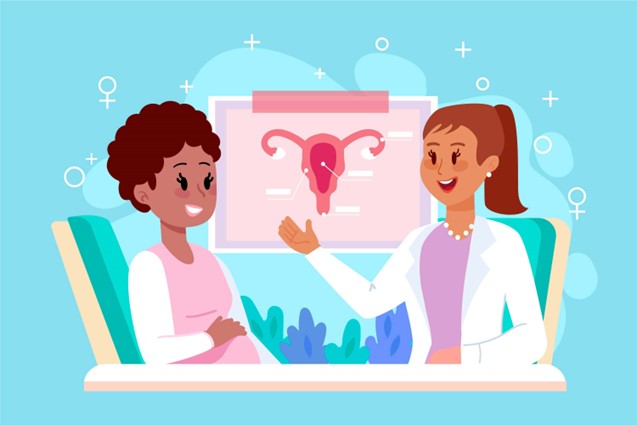
The success of IVF on the first attempt hinges on several key factors.
– The age of the woman is critical; younger women generally have a higher chance of IVF working first time due to better egg quality.
– The quality of the sperm is equally important; issues with sperm count or motility can hinder the process.
– General health factors, including hormone levels and the presence of conditions like endometriosis, can impact first time IVF success.
– Lifestyle factors such as diet, exercise, and stress levels can play a role.
– Pre-existing medical conditions and the specific cause of infertility also greatly influence the chances of a successful first IVF cycle.
Importance of Embryo Quality in IVF Success

Embryo quality is central to the success of IVF. High-quality embryos are more likely to implant successfully and develop into a healthy pregnancy. Recent advancements in embryo selection techniques, such as time-lapse imaging and genetic testing, have significantly improved the ability to select the best embryos for transfer. These techniques improve the chances of IVF success. They also help in reducing the risk of genetic disorders, enhancing the overall success rates of IVF treatments.
Recent Advancements in Assisted Reproductive Technologies (ART)

The field of assisted reproductive technologies (ART) is continually evolving, with new advancements significantly impacting IVF success rates. Techniques like ICSI, where a single sperm is injected directly into an egg, have revolutionized the treatment of male infertility. Improvements in the freezing and thawing of embryos and eggs (cryopreservation) have also enhanced success rates. It allows for the use of embryos in subsequent cycles if the first attempt is unsuccessful. These technological advancements have not only improved success rates but also made IVF more accessible to a broader range of patients.
Medical Interventions and Protocols in IVF
Medical interventions and protocols in IVF are tailored to each individual’s needs. Hormonal therapies to stimulate the ovaries are a common intervention, aiming to produce multiple eggs for retrieval. The development and selection of embryos are closely monitored, with adjustments made to protocols based on individual responses to treatment. Techniques like assisted hatching, where a small opening is made in the outer layer of the embryo to help implantation, are also used. These interventions, along with precise timing and methods of embryo transfer, are constantly refined to enhance the chances of success in the first IVF cycle.
Common Challenges During the IVF Process

Couples undergoing IVF often face a multitude of challenges. The emotional toll can be significant, with the process often being a rollercoaster of hope and disappointment. Physical side effects from medications, such as bloating, mood swings, and fatigue, can be challenging. The financial aspect is also a considerable burden for many, as IVF can be expensive and often requires multiple cycles.
Furthermore, the risk of multiple pregnancies and the decisions surrounding unused embryos can be emotionally taxing. Navigating these challenges requires strong emotional support, resilience, and clear communication with medical professionals.
Final thoughts
The success rate of IVF on the first try varies, influenced by age, health, and technological advancements. AIIM boasts higher success rates due to their state-of-the-art technology and personalized patient care. Choosing AIIM means accessing top-tier medical expertise and innovative treatments, enhancing the likelihood of first-time IVF success. So, without further delay, book your appointment today!
FAQs:
1- What is the average success rate of IVF on the first attempt?
Ans: The average success rate for IVF on the first attempt usually falls around 30%, but this can vary widely. This rate is influenced by factors such as age, underlying fertility issues, and the specific circumstances of the individuals involved. Consulting with a fertility expert can provide a more accurate estimate based on personal health profiles.
2- How do age and fertility history impact the chances of a successful first IVF cycle?
Ans: Age significantly affects IVF success rates, with younger women generally experiencing higher success. Fertility history, including previous pregnancies or specific reproductive health issues, also plays a crucial role. These factors can either enhance or diminish the likelihood of success in a first IVF cycle, making personalized medical advice essential.
3- Are there any precautions that can improve the chances of success during the first IVF cycle?
Ans: Certain precautions can enhance IVF success chances. These include maintaining a healthy weight, following a balanced diet, and avoiding harmful habits like smoking and excessive alcohol consumption. Stress reduction and adhering to medical guidelines also contribute positively. Consulting with a fertility specialist can provide tailored advice for a successful first cycle.
4- How can lifestyle changes impact the success of IVF?
Ans: Lifestyle changes can substantially influence IVF success. Adopting a nutritious diet, engaging in regular exercise, and maintaining a healthy weight are key factors. Additionally, avoiding tobacco and excessive alcohol, managing stress effectively, and following medical advice closely can significantly improve the outcomes of IVF treatments.
Did you find this helpful? Check out our other helpful articles on our website.
Read Also
- Where to Find Reliable Mental Health Support for Teens
 Have you noticed changes in your teen’s mood, sleep, or behavior that leave you worried? Growing up can bring stress from school, friends, family, and new demands. Some teens may struggle to share their feelings or ask for help, even when they need support. Finding the right mental health support for teens can help them… Read more: Where to Find Reliable Mental Health Support for Teens
 - Top Trends Shaping the Future of Mental Health CareMental health care is moving fast to meet daily human needs. People want direct care that fits modern life. Clinics respond by creating flexible options that make healing easier to reach. Providers look past rigid habits to give people solid care. From smart tools to body wellness, these changes help people find relief when life… Read more: Top Trends Shaping the Future of Mental Health Care
- Full-Arch Dental Tourism: Why UK Patients With Severe Bone Loss Are Looking AbroadDental implants have become one of the fastest-growing segments of private dentistry. Within that market, one patient group behaves very differently from the rest: people who have been told they do not have enough upper jawbone for conventional implants. For these patients, the choice is rarely between one clinic and another. It is between a… Read more: Full-Arch Dental Tourism: Why UK Patients With Severe Bone Loss Are Looking Abroad
- Levels of Mental Health Care and When to Seek SupportMental health care can range from occasional outpatient appointments to 24-hour hospital treatment. The appropriate level depends on safety, symptom severity, daily functioning, medical needs, available support, treatment history and personal preferences. A licensed clinician should assess these factors rather than relying on a symptom list alone. Need help now? In the United States, call… Read more: Levels of Mental Health Care and When to Seek Support
- How to Choose a Shilajit Brand Based on the ResearchIn a randomized trial published in the Journal of the International Society of Sports Nutrition in 2019, 63 active men took 250 mg of standardized shilajit, 500 mg, or a placebo every day for eight weeks, and the benefit for strength retention after a fatiguing workout appeared only at 500 mg. For anyone choosing a… Read more: How to Choose a Shilajit Brand Based on the Research
- How to Incorporate Relaxation into Your Busy ScheduleFinding balance when you have a packed daily agenda often feels out of reach. Between work duties, family obligations, and personal projects, personal rest usually gets pushed to the bottom of the list. Small, intentional shifts in daily habits can help restore calm without requiring hours of extra free time. Continue reading to discover everything… Read more: How to Incorporate Relaxation into Your Busy Schedule
- Red Light Therapy for Skin and Wellness: Meet Vital Red Light TherapyModern wellness is not always about complicated treatments or long routines. Many people are now looking for simple, convenient ways to support their skin, recovery, and overall wellness at home. One technology getting more attention is red light therapy. Red light therapy uses specific wavelengths of red and near-infrared light to support the body’s natural… Read more: Red Light Therapy for Skin and Wellness: Meet Vital Red Light Therapy
- Managing Shock Loss After a Hair Transplant: The Financial and Clinical Imperative of Post-Op CareIn the rapidly evolving landscape of private healthcare, executive leadership within cosmetic and restorative surgery clinics faces a dual challenge: maintaining strict clinical standards while maximizing patient lifetime value (LTV) and brand advocacy. As the global medical tourism and elective procedure markets expand, clinical outcome quality alone is no longer the sole differentiator for premium… Read more: Managing Shock Loss After a Hair Transplant: The Financial and Clinical Imperative of Post-Op Care